

A search for aesthetic Discord names should lead to a manageable field of options instead of two hundred random combinations. For people using Discord for a study cohort, volunteer team, workshop, or small professional group, the goal is a styled name built from a coherent image rather than a pile of fashionable symbols. The tone can be warm without making deadlines, support requests, and ownership harder to read. A few grounded constraints produce a better shortlist. This guide uses an eight-week course server with office hours, peer review, resources, and informal conversation as the working case, so every suggestion has a real place to land.
Start with the job the name must do. Write a single sentence that includes the audience, the setting, and the failure you most want to avoid. For this case, the sentence might read: “I need an aesthetic Discord name for an eight-week course server with office hours, peer review, resources, and informal conversation; it must be visually consistent, legible in plain text, and personal enough to avoid mood-board sameness.” That is enough direction for a opening round. Add one color, one material, one place, one sound, and a short list of styles you do not want. Leave color, lore, emoji, and clever spelling out until the plain-language candidates work. The words need to work before the styling does.
Open with evidence from the people and activity behind the name. For aesthetic Discord names, collect one color, one material, one place, one sound, and images with a genuine connection to the owner. Write each item in plain text and mark anything that only makes sense to one person. The work and study case needs source words another member can understand. A generator can combine the material, but a human chooses which detail belongs.
A useful shortlist needs contrast. For instance, “Velvet Static” is compact and direct; “Rainy Polaroid” has a softer image; “Moth Library” carries a little more atmosphere. “Blue Hour Bus,” “Cedar VHS,” and “Porcelain Arcade” push in other directions without becoming spelling puzzles. These examples demonstrate patterns; copy them only after adding personal context. Replace one half with a place, object, habit, or phrase from the person or group doing the naming. Specific history keeps a generated name from feeling rented.
Read every finalist aloud and ask another person to write it from hearing alone. Then reverse the test: show the name briefly and ask them to say it. Follow with the task-specific check: remove every symbol and see whether the remaining words still create the intended picture. Keep notes about the exact failure rather than assigning a vague score. Testing separates personal taste from avoidable friction. Aesthetic naming works through selection. Two images with a real connection usually feel stronger than five decorative cues.
Aesthetic naming starts with an image relationship. “Velvet Static” works because texture and sound pull against each other in a readable way; adding stars, moons, lace, and three font styles would weaken the picture. Choose two source columns and combine across them, then read every result as plain ASCII. Style becomes easier to recognize when the palette stays narrow. Keep only the combinations that evoke something specific for the owner rather than a generic feed trend.
Place the candidate next to its neighboring labels. The project may also involve searches for “Discord display name generator” and “Discord name generator,” but those results appear in different screens and social situations. Write the job beside each one before deciding how closely they should match. One stable word may be enough to connect them. Choose language that works in a casual chat and still looks sensible in a calendar invite or copied link. A small recurring cue often carries more identity than an exact duplicate.
Put four results for aesthetic Discord names into plain text. Change a single condition for each pass: first remove the icon, then narrow the screen, then try plain ASCII, dark and light themes, a compact roster, and a version with every symbol removed. Record the point where a reader slows down. Keep https://notes.medien.rwth-aachen.de/PCJ4IFxdRmmw5tXCbPR5Ng/ when the reason is concrete, such as easy recall. Drop it when support depends on taste alone. The written reason keeps the review grounded.
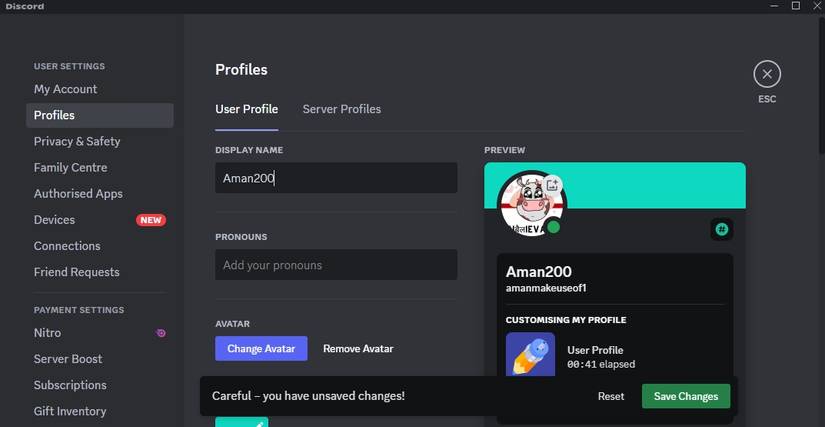
Moderation and accessibility deserve a pass of their own. Look for characters that resemble one another, text that screen readers may handle awkwardly, misleading staff language, and jokes that could target another member. Test the choice in both Discord themes and at a narrow window width. If the group uses several languages, ask a fluent speaker to check sound and meaning. A name should avoid creating an identification problem. The check takes less time than explaining a confusing choice repeatedly.
Publish the finalist first in a reversible context if possible. Watch for misspellings, unexpected abbreviations, confused posts, or repeated questions during the next few days. Retain the brief and backups nearby, but avoid changing the result after every casual comment. For a rebrand, leave a short note that connects the old and new labels. Real member behavior is the last practical test.
Give the final results for aesthetic Discord names to a member who did not see the prompt. Offer no explanation before the test. Ask that person to type it from memory and describe what they expect. Then reveal the intended use and compare the gap. For a styled Discord name, a small mismatch may need one edit; repeated confusion sends the choice back to the shortlist. Discord text channel names with one named decision owner.
Save the working record on one page: the job, personal source words, rejected patterns, shortlist, collision notes, and approved wording. Save it with the chosen name so the next change has a starting point. In the work and study case, that record separates durable decisions from temporary taste. Results from aesthetic Discord names supply options; the owner chooses the one that fits the people who will live with it. Retain the input notes, discarded patterns, and approved wording in one place. Record the constraint that settled the decision while the review is still fresh. Use the same review steps when the name returns for another edit. A future editor can then follow the earlier reasoning and repair the part that stopped working. The next pass opens with the earlier decisions instead of an unexplained reset. When that review arrives, compare the live context against the earlier notes and preserve everything that still works.